
In the ever-evolving world of technology, the software industry has become a driving force for innovation and growth. Whether you’re an aspiring entrepreneur, a seasoned developer, or a business professional, understanding the intricacies of the software business is crucial for success. To help you navigate this dynamic landscape, we’ve curated a list of the best books on the business of software, each offering invaluable insights and strategies.
“The Lean Startup” by Eric Ries
Eric Ries’ “The Lean Startup” is a seminal work that has revolutionized the way startups approach product development and business strategy. By advocating for a lean and iterative approach, Ries encourages entrepreneurs to embrace experimentation, customer feedback, and continuous learning. The book introduces the concept of the “build-measure-learn” feedback loop, which emphasizes rapid prototyping, validated learning, and pivoting based on data-driven insights.
The key takeaway is the importance of minimizing wasteful efforts and focusing on creating a “minimum viable product” (MVP) that can be tested and refined based on real customer feedback. This approach not only reduces risks but also fosters a culture of innovation and adaptability, which is essential in the fast-paced software industry.
“The Lean Product Playbook” by Dan Olsen

Dan Olsen’s “The Lean Product Playbook” is a practical guide that combines the principles of the Lean Startup methodology with proven product management practices. Olsen provides a step-by-step framework for building successful products, from ideation and market validation to prototyping, testing, and iterative improvement.
The book emphasizes the importance of customer-centric thinking, continuous experimentation, and data-driven decision-making. Olsen’s playbook is a valuable resource for product managers, entrepreneurs, and anyone involved in the development and delivery of software products.
If you’d like to learn more about this book, be sure to check out my full review of it here.
“Crossing the Chasm” by Geoffrey A. Moore
Geoffrey A. Moore’s “Crossing the Chasm” is a groundbreaking book that explores the challenges faced by technology companies as they transition from early adopters to the mainstream market. Moore introduces the concept of the “chasm,” a gap that separates the early adopters from the pragmatic majority, and offers strategies for successfully bridging this divide.
The book delves into the different psychographics and buying behaviors of these customer segments, emphasizing the need for focused marketing, strategic partnerships, and a whole product approach. Moore’s insights are particularly valuable for software companies seeking to achieve mass-market adoption and sustained growth.
“The Mythical Man-Month” by Frederick P. Brooks Jr.
First published in 1975, “The Mythical Man-Month” by Frederick P. Brooks Jr. is a classic in the field of software engineering and project management. Through a combination of personal experiences and theoretical analysis, Brooks explores the complexities and challenges of large-scale software development projects.
One of the book’s key lessons is the recognition that adding more resources to a late software project often leads to further delays, a phenomenon known as “Brooks’ Law.” Brooks also introduced concepts such as the “second-system effect” and the importance of conceptual integrity in software design. Despite its age, this book remains highly relevant, offering timeless wisdom for managing software projects effectively.
“Inspired: How to Create Tech Products Customers Love” by Marty Cagan
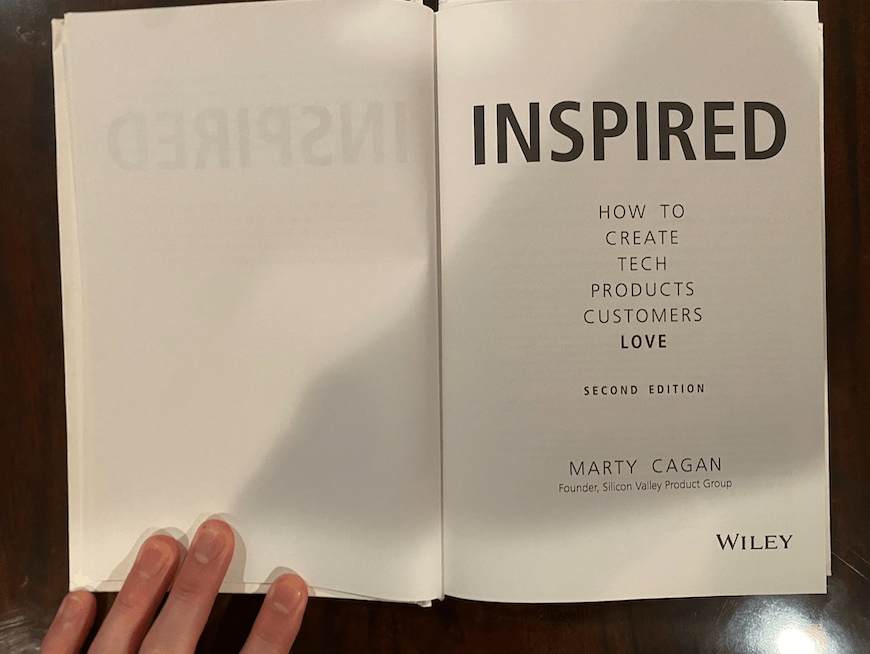
In “Inspired: How to Create Tech Products Customers Love,” Marty Cagan draws upon his extensive experience in product management to provide a comprehensive guide for building successful tech products. Cagan emphasizes the importance of creating a product culture that values customer empathy, cross-functional collaboration, and continuous learning.
The book covers various aspects of product development, including ideation, user research, prototyping, and product strategy. Cagan also delves into the organizational structures and processes that support successful product teams, making this book a valuable resource for both individual contributors and leaders in the software industry.
If you’d like to learn more about Inspired, check out my full review here.
“The Lean Entrepreneur” by Brant Cooper and Patrick Vlaskovits
“The Lean Entrepreneur” by Brant Cooper and Patrick Vlaskovits is a practical guide that builds upon the principles of the Lean Startup methodology, specifically tailored for entrepreneurs and early-stage startups. The authors provide a structured approach to validating business ideas, conducting customer research, and iterating on product offerings.
The book introduces the “Running Lean” framework, which encompasses techniques for customer development, problem-solution fit, and continuous innovation. Cooper and Vlaskovits emphasize the importance of being “execution-focused” while maintaining a flexible and adaptive mindset, making this book a valuable resource for entrepreneurs in the software industry.
“The Startup Owner’s Manual” by Steve Blank and Bob Dorf
“The Startup Owner’s Manual” by Steve Blank and Bob Dorf is a comprehensive guide for aspiring entrepreneurs and startup founders. The book presents a step-by-step roadmap for building a successful startup, from ideation and customer discovery to product development and scaling.
Blank and Dorf introduce the concept of the “Customer Development Process,” which emphasizes the importance of understanding customer needs and validating assumptions before committing significant resources to product development. The authors also provide practical advice on topics such as business model generation, fundraising, and team building, making this book an indispensable resource for anyone navigating the challenges of starting a software company.
“The Phoenix Project” by Gene Kim, Kevin Behr, and George Spafford
“The Phoenix Project” by Gene Kim, Kevin Behr, and George Spafford is a unique book that presents valuable lessons on IT operations, DevOps, and organizational transformation through an engaging narrative. The book follows the story of a fictional company facing a critical IT crisis and the efforts of its IT team to resolve the issues and implement sustainable processes.
Through this narrative, the authors introduce concepts such as the “Three Ways” of DevOps (flow, feedback, and continuous learning), the importance of fostering a culture of collaboration and experimentation, and the need for alignment between IT operations and business objectives. This novel approach makes “The Phoenix Project” an accessible and engaging read for anyone involved in software development and operations.
In Conclusion
These books offer a diverse range of perspectives and strategies for navigating the ever-changing landscape of the software business. Whether you’re an entrepreneur, a product manager, or a software engineer, these resources will equip you with invaluable insights and practical tools to build successful software products and companies. Embrace the wisdom and experiences shared by these authors, and you’ll be well on your way to achieving success in the dynamic world of software.